4.9 Stars | 270+ Reviews
4.9 Stars | 270+ Reviews
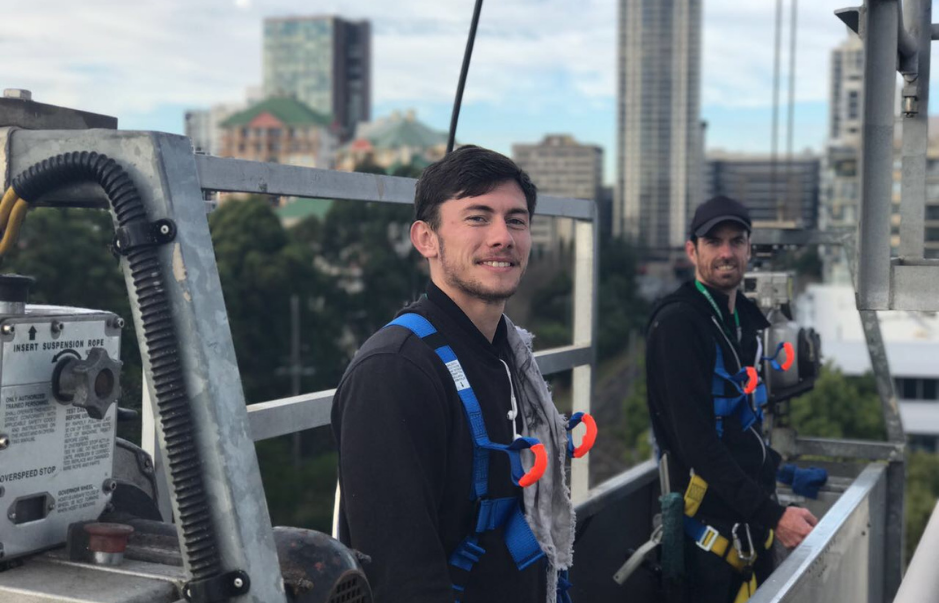
High rise window cleaning safety Sydney CBD depends on more than general height experience. Dense foot traffic, tight site access and neighbouring towers add risk that suburban high-rise work does not carry.
Shimmer Glass and Pressure Cleaning plans every CBD job around certified access methods, trained operators and documented safety systems. This guide sets out what that looks like in practice.
A CBD tower sits above footpaths, laneways and shared driveways used by hundreds of people each hour. Any high-rise cleaning job needs a pedestrian management plan before work starts at height. Wind exposure also increases with building height. Gusts between closely spaced towers can behave differently to open suburban sites. A proper site assessment accounts for this before any access method is chosen.
Coordination with building security and facilities teams matters as much as the cleaning itself. CBD sites often share loading docks, fire stairs and rooftop plant rooms with other tenants. Access needs to be booked and communicated so cleaning does not clash with deliveries, maintenance or emergency procedures. A CBD high-rise job is planned as a logistics exercise as much as a technical one. The access method is chosen to suit the specific building, not applied as a default.
Buildings already fitted with a Building Maintenance Unit rely on certified operators trained in safe, efficient BMU operation. Pre-operation checks and safety mechanism verification happen before every clean, following manufacturer guidelines and the building’s own protocols.
Rope access suits towers and hard-to-reach areas without a BMU. IRATA certified technicians carry it out using specialised techniques and equipment. This causes minimal disruption to building operations and pedestrian traffic below.
An elevated work platform suits sites where scissor lifts or boom lifts can reach the facade safely. Operators are certified, and site assessments weigh up height, reach and ground conditions before work begins. Equipment is inspected regularly, and operator training is kept current. The access method chosen for a CBD tower reflects its structure and surrounding conditions. It should not simply reflect what a contractor happens to have on hand.
Many CBD high-rises rely on installed anchor points to support rope access work safely. These are installed to industry practice and load-bearing and regulatory requirements. A certification process follows, with a report provided once the work is complete. Anchor points need periodic recertification, not a one-off installation. A competent contractor should show current documentation on request.
For a CBD tower with rope access points across different facades, documentation should cover every point in use. Facility managers can ask to see the certification report as part of the standard sign-off process.
Tip from the professionals: ask how many CBD towers a contractor currently services. A contractor familiar with a specific precinct usually already knows its loading dock rules and typical wind patterns. This shortens planning time and reduces the chance of delays.
| Access Method | Best Suited To | Key Certification |
|---|---|---|
| BMU | Towers with permanent installed access | Certified BMU operator, AS 1418.13 compliance |
| Rope access | Hard-to-reach areas, irregular facades | Current IRATA certification |
| Elevated work platform | Facades reachable by scissor or boom lift | Certified EWP operator |
| Anchor points | Supporting rope access on any of the above | Installation and periodic recertification |
Every high-rise job should be backed by a current Safe Work Method Statement submitted before work begins. It should name the access method used on that specific site. A compliant contractor should show how their process meets this guidance, not simply state that they comply with it. A proper Safe Work Method Statement names hazards at that site, such as wind exposure or pedestrian traffic below. It also sets out the control measures used to manage them. For a CBD building, this document should be specific to that site, not a generic template reused across jobs.
Important: for further detail, refer to SafeWork NSW’s working at heights guidance.
Related reading: These compliance requirements form part of what a high-rise quote actually covers. Our guide to high-rise cleaning cost factors sets out the rest.
Shimmer holds triple ISO certification, covering quality, safety and environmental management. This means ISO 9001 for quality, ISO 45001 for safety and ISO 14001 for the environment. These certifications are independently audited each year. This gives facility managers documentation they can pass on to head office or a building owner without delay. Shimmer’s high-rise window cleaning services in Sydney are built around this level of documented practice for CBD towers specifically.
CBD sites also tend to run on tighter timeframes than suburban buildings. Foot traffic and business hours limit the windows available for work. A contractor familiar with a specific precinct often already knows its loading dock rules and typical wind patterns. This local knowledge shortens planning time and reduces the chance of a job being delayed on the day.
“The right access method and safety plan for a CBD tower comes from a proper site assessment.”
Buildings differ in height, facade complexity, pedestrian exposure and shared infrastructure with neighbouring towers. Working through these factors early separates a properly planned CBD clean from a job booked on price.
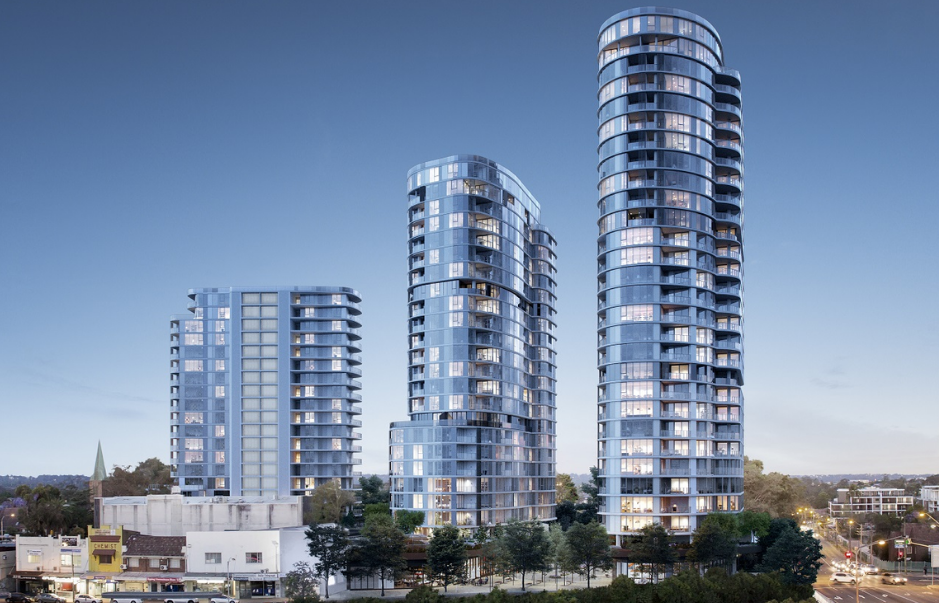
A CBD building’s insurance and certification requirements are no different to a suburban tower. The consequences of getting it wrong are simply more visible. An incident above a busy footpath draws immediate attention from pedestrians and neighbouring building managers. Facility managers in the CBD tend to ask more detailed questions before signing for this reason. A properly prepared contractor should welcome that scrutiny.
Responsibility for CBD safety compliance is shared, the same as anywhere else. The building owner maintains and certifies permanent infrastructure such as anchor points and any BMU installed on site. The contractor is responsible for technician certification, equipment condition and site-specific safety documentation for each visit. Confirming this split early avoids confusion if a question comes up mid-contract about who is responsible for what. Asking to see this paperwork before signing protects the building and the people working on it. It also keeps the facade immaculate without compromising on safety.
Shimmer works across BMU, rope access, EWP and anchor point methods for high-rise buildings throughout Sydney’s CBD.
Get a Free Quote Or call us: 1300 090 914
Before Summer Hits: When to Schedule Your High-Rise Window and Facade Clean in Sydney | Shimmer Glass TL;DR — Key Takeaways Spring is the optimal window for high-rise access work in Sydney: stable winds, longer daylight hours, and moderate temperatures that prevent solution streaking. Summer heat permanently bakes mineral deposits and salt residue into high-rise […]
Read More Why Spring Is the Best Time to Get Your Windows Professionally Cleaned in Sydney | Shimmer Glass TL;DR — Quick Summary Spring is the single best window for professional window and building cleaning in Sydney. Here is why it matters and what you should do right now: Winter leaves a layer of grime, mould, and […]
Read More Tired of streaky windows? Discover the professional method for streak-free windows every time — from the right tools to the technique the experts use in Sydney.
Read Morecontact Shimmer today
Guaranteed reliable and professional window and glass cleaning service
Experience
Free
Guaranteed
Guaranteed